
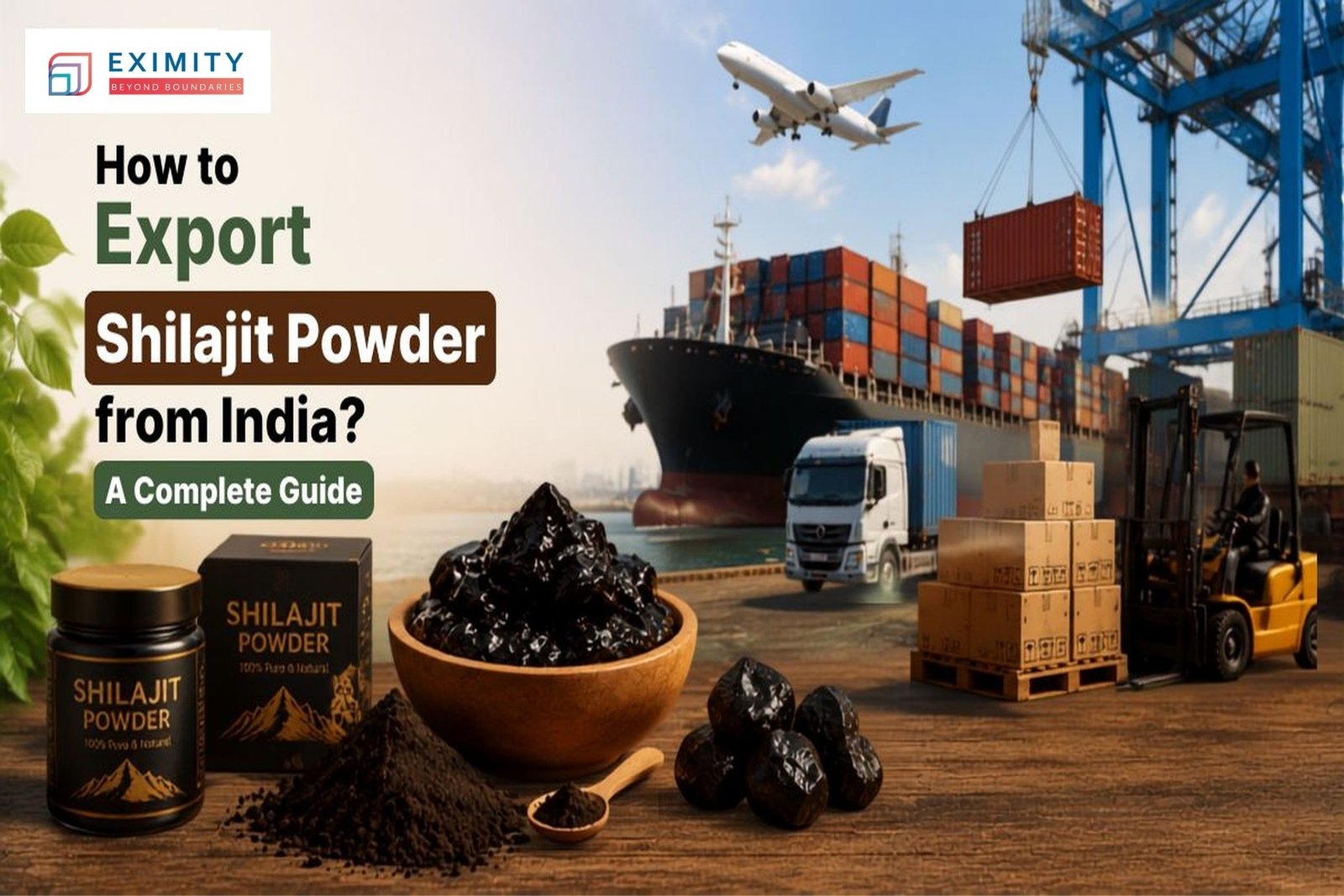
India’s Himalayan belt has become one of the world’s most trusted sources of a mineral resin that global wellness brands keep asking for. If you trade in Ayurvedic goods, shilajit powder is worth a serious look this year. Demand is climbing fast, and India has a natural sourcing edge most other countries simply don’t have. This guide covers what buyers actually want, what to watch out for, and how to get your first shipment out the door.
What Is Shilajit Powder and Why India Leads Global Supply
Shilajit is a sticky, mineral-rich resin that oozes from rock crevices high in the Himalayas. It forms over centuries as plant matter breaks down and mixes with mineral deposits trapped in the rock. Once it’s purified, dried, and ground, you get shilajit powder, the form most international buyers actually want since it’s easier to standardize, package, and ship.
India has a real edge here. Himachal Pradesh, Uttarakhand, and pockets of the Northeast produce some of the purest shilajit anywhere, largely thanks to altitude and the mineral makeup of the local rock. That’s a big part of why global demand keeps rising year after year. If you’re new to this category, it helps to first understand the wider landscape covered in Ayurvedic Products Export from India.
Shilajit Benefits for Skin
Skincare brands abroad have started formulating with shilajit, and that’s driving fresh export interest. Shilajit benefits for skin go well beyond marketing claims.
- Rich in fulvic acid, which supports collagen production
- May help soften the look of fine lines over time
- Acts as a natural antioxidant against environmental stress
- Commonly used in anti-aging serums and creams
- Helps with hydration when blended into topical formulas
Cosmetic manufacturers overseas are actively sourcing raw material for exactly this kind of formulation. Exporters who lead with shilajit benefits for skin in their buyer pitch tend to stand out from generic wellness listings.
Shilajit Use in Daily Wellness Routines
Knowing the common shilajit use cases helps you pitch the right buyers. Most people take it as a supplement, dissolved in warm water or milk. Others prefer capsules made from the same powder you’re exporting, and a smaller group uses it topically in skincare.
Buyers tend to ask upfront which form you can supply, so it helps to know the market before pricing conversations even start.
Common Forms Buyers Request
- Raw resin, unprocessed
- Purified powder
- Encapsulated tablets
- Liquid extract blends
- Powder sachets for retail packaging
Other Indian wellness exports have followed a similar path to market. Indian Tea Export shows how a traditional daily-use product built steady demand abroad, and shilajit looks to be heading in the same direction.
Shilajit Energy Boosting Properties
One of the biggest draws for international buyers is shilajit’s reputation for supporting shilajit energy and stamina. Ayurvedic tradition links it to vitality and reduced fatigue, and modern wellness markets have picked up on that heavily.
Fitness supplement brands are one of the best buyer segments to go after directly. They want consistent, lab-tested batches with verified mineral content, so getting your certification sorted early actually pays off.
If you’re putting together a pitch for these buyers, lead with the shilajit energy angle and back it with lab data. That converts faster than the usual wellness buzzwords.
Shilajit Side Effects and Safety Precautions
Any export listing worth taking seriously needs to address shilajit side effects honestly. Buyers in the EU and US expect real transparency here, not a vague disclaimer tucked at the bottom.
- Unpurified shilajit may carry heavy metals if sourced poorly
- Some users notice mild digestive discomfort at first
- It can interact with certain medications
- Long-term overuse without guidance isn’t recommended
- Pregnant or nursing individuals are typically advised to avoid it
- Buyers should always get safety data sheets before resale
Being upfront about shilajit side effects isn’t just good practice. In stricter markets, it’s often a compliance requirement before a buyer will even list your product.
Shilajit Powder Price in the Export Market
Shilajit powder price varies a lot depending on purity, sourcing altitude, and how it’s processed. Export-grade, lab-tested powder commands a real premium over unverified batches.
It helps to benchmark against other Ayurvedic exports too. Ashwagandha Export from India follows a similar quality-based pricing pattern, which is a useful context when buyers push back on rates.
Three things really drive shilajit powder price: fulvic acid content, mineral purity test results, and order volume. Bulk buyers building private-label supplement lines negotiate very differently than a small boutique skincare brand.
How to Export Shilajit Powder from India: Step by Step
Once you understand the product itself, exporting shilajit powder follows a fairly standard Ayurvedic goods pathway.
- Get your IEC (Import Export Code) sorted through DGFT
- Apply for an FSSAI license, since shilajit is taken orally
- Get lab testing done for heavy metals and mineral content
- Secure AYUSH certification if you’re targeting regulated markets
- Go with food-grade, moisture-proof packaging
- Nail down the right HS code before customs clearance
- Start building buyer relationships through B2B platforms and trade fairs
Labeling trips up more new exporters than you’d expect. Buyers want packaging that spells out proper shilajit use instructions, since that’s often what regulators check first during import review.
Finding the Right International Buyers
Wellness expos, Ayurveda-focused trade shows, and B2B marketplaces are the best place to start looking for buyers of shilajit powder. Many buyers who import shilajit are already sourcing other Indian wellness products, so cross-category interest is common.
Trust builds slowly in this category. Buyers often place a small trial order before committing to a long-term contract, so it’s worth pricing your first shipment to make a strong impression rather than chasing maximum margin.
If you’re thinking beyond a single product, Moringa Powder is a good example of how a niche Ayurvedic ingredient found steady buyers over time, and the same lessons apply here with shilajit powder.
Conclusion
Shilajit powder sits right at the intersection of traditional Ayurveda and modern global wellness demand. India’s natural sourcing advantage, paired with real interest in energy support, skincare, and daily wellness, makes this a category worth taking seriously. Get the quality testing right, be upfront about safety, and the documentation piece falls into place on its own. The buyers are already looking. The question is whether your listing is ready when they find it.
FAQs
Q:1 Is it legal to sell this Ayurvedic resin product to overseas buyers?
A: Yes, as long as you’ve got IEC registration, an FSSAI license, and lab-tested quality documentation in place.
Q:2 How is pricing usually decided for export-grade batches?
A: Mostly purity and mineral content. Lab-tested batches consistently earn a real premium over unverified stock.
Q:3 Which countries show the strongest demand for this product?
A: The US, UK, and parts of the EU — that’s where wellness supplement demand keeps growing.
Q:4 Do overseas buyers ask for heavy metal testing before ordering?
A: Almost always. Most serious buyers won’t finalize an order without lab certification confirming safe heavy metal levels.
Q:5 Is this ingredient used in industries beyond supplements?
A: Yes — plenty of buyers want it for topical skincare too, not just oral supplements.