
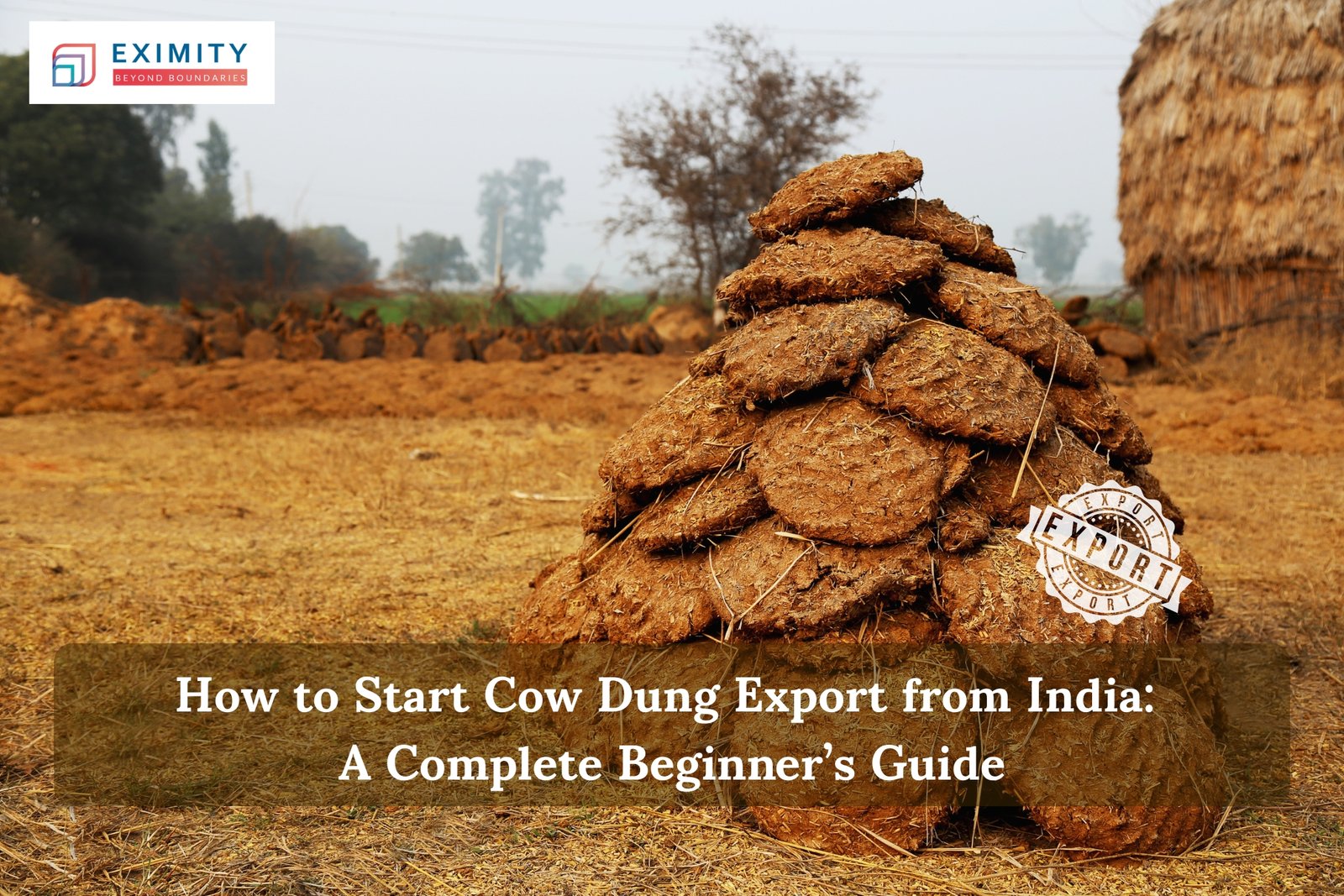
With India’s processed cow dung products being in high demand from the agriculture, biofuel, and handicraft industries, and with the Indian economy being a highly qualified supplier, the world’s shift to organic farming and natural fertilizers has started a great opportunity for cow dung export from India. Because of the strong demand and availability of the product, cow dung export from India creates a low-risk and high-potential investment for new exporters. As more and more countries seek sustainable options, the sector grows, whether it be selling raw manure, powdered dung, or lesu briquettes and items made from cow dung. The exports of cow dung are only predicted to grow with time.
Exporting Cow Dung from India: A New Phenomenon
As the world seeks organic, chemical-free agriculture inputs, cow dung export from India has grown rapidly. India’s farming communities and eco-friendly product manufacturers value cow dung highly. Exporters are able to market and ship dried dung, powdered dung, compost, vermicompost and many other unaltered or altered forms of cow dung to various regions of the world. The abundant market for cow dung export makes it a great opportunity for a newcomer in the Agricultural export market. Cow dung has value and there is a market to ship it.
Understanding Global Demand for Cow Dung Products
Why International Buyers Prefer Cow Dung Products
Countries across Europe, Africa, Asia, and the Middle East value the utilization of cow dung products for organic farming, gardening, and the manufacture of compost, biofuels, incense sticks, and eco-friendly packaging. All customers worldwide value its natural and eco-friendly use. These are some of the reasons the export of cow dung and other cow dung export from India is attractive for newcomers and established exporters seeking instruments for capturing green-product markets. Exporters who explore different agricultural product categories often find similar opportunities in related markets—such as ghee, which continues to be a strong export commodity. To understand another growing agricultural export segment, you can explore this detailed guide on ghee export from India, which highlights additional potential for new exporters.
Key Cow Dung Buyers and Importing Countries
Organic farm owners and buyers, fertilizer manufacturers and wholesalers, nurseries, home-garden supply stores, and eco-product distributors are the main cow dung buyers. They seek high-quality, processed cow dung complete with appropriate packaging and certificates. Establishing and nurturing such cow dung buyers offers significant prospects for steady supply and demand throughout the year, especially for powder, cakes, and compost.
What affects the price of cow dung when it is exported?
The cow dung export price per kg to other nations depends on the type of product, how dry it is, how it is packaged, and how much it has been treated. If something is valuable, it will probably cost more. For example, powder or compost are more likely to be expensive. To get the best prices in any foreign market, exporters need to make sure their products are of excellent quality, have the right amount of moisture, and are packaged properly.
How to Export Cow Dung from India
Important sign-ups and following the rules
You have to register several things before you can start cow dung export from India. These registrations include the Import Export Code (IEC), the registration of APEDA, and the necessary certificates from the Plant Quarantine or Animal Husbandry agencies. These papers are needed for Indian goods to meet the health and quality criteria of the countries that buy them.
How to Commercialize Cow Dung to Government Agencies in India
Cow dung is bought for use in organic farming from several government farms, departments of agriculture of states, and rural development programs. For exporters, there is a potential in understanding the process of how to sell cow dung to government procurement. There are continuous compliance requirements, and participating in tenders can lead to substantial supply opportunities.
What are the Step by Step processes to Start Cow Dung Export from India?
Step 1: Source and Process Good Quality Cow Dung
The starting point of the export process is clean, dry, and uncontaminated cow dung. Exporters can either export the raw dung or offer cow dung products (e.g. cow dung powder, cakes, compost, and briquettes). The quality of the product is highly dependent on the processing done. There should be uniformity in the number of steps taken (ex., drying, grinding) to improve quality for international exports.
Step 2: Setting Quality Standards, Packaging, & Labeling
Effective packaging maintains the quality of the product by avoiding moisture intrusion and contamination. Depending on what the customer needs, export packaging can be anything from sealed bags and bulk sacks to containers that don’t let air in. The label on the product must have information on the sort of product, its weight, its batch, and where it was made. Unfortunately, well-done packing has too much of an effect on how easy it is to cow dung export from India.
Step 3: Locating Authentic International Buyers for Cow Dung
Exporters can access verified cow dung buyers through B2B portals, trade fairs, export councils, and organic product marketplaces. Trust can be established with a buyer by providing free samples, relevant certifications, and product catalogs. Repeat orders and long-term partnerships can be achieved with consistent communication and timely delivery. Exporters can discover potential by understanding how to sell cow dung to government entities, as they may have partnerships with organizations promoting organic farming.
Step 4: Efficient Shipping, Documentation, & Logistics
There are several documents required in the shipping of cow dung products: export invoices, packing list, health certificates, and customs paperwork. Exporters must adhere to the importing country’s sanitary and hygienic regulations. This type of compliance helps to cow dung expor with no port delays. For large shipments, most exporters prefer sea freight, whereas for small samples, air cargo is the common choice.
Cow Dung Products Exports that Make Money
Cow Dung Products in Demand
The most popular cow dung products in the international market include:
- Dried cow dung cakes
- Cow dung powder
- Organic manure and compost
- Vermicompost
- Biofuel briquettes
- Cow dung-based natural incense sticks
These categories offer high demand from agricultural, commercial, and eco-friendly consumer markets.
Make money by exporting products that add value
Exporters can also sell new things like cow dung diyas, eco-friendly seed balls, garden decorations, and packaging that can be composted. These strategies help cow dung export from India stand out in the market and make their products more valuable.
Exporting Cow Dung: Challenges and Solutions
Documents and Export Regulations
Some countries have strict agricultural import regulations. Exporters must keep updating with sanitary restrictions to ensure compliant cow dung export from India.
Problems with Quality Control While Moving and Storing
Proper processing and packaging are needed to keep moisture and smell under control. Export-grade quality makes it easier for buyers to get through customs.
How to Gain the Trust of Customers Who Stay with You for a Long Time
The best way to do this is to always provide high-quality service and be open about it, as well as know what different cow dung buyers want. Exporters must make sure that documents are correct and delivered on time in order to build long-term confidence.
Frequently Asked Questions (FAQs)
1. Is cow dung export from India a profitable business?
Exporting cow dung export from India is a profitable business. There is a growing demand for organic and eco-friendly products; the export of cow dung is eco-friendly and organic. As a beginner, it is an ideal business because it requires low investment and cow dung is readily available.
2. What affects the cow dung export price per kg?
The cow dung export price per kg is determined by the quality and level of dryness of the cow dung, how well the cow dung is packaged, and the requirements of the buyer. There is a good acceptance of well-dried dung.
3. Who are the major cow dung buyers globally?
Major cow dung buyers are organic farms, wholesalers, nurseries, and suppliers of eco-friendly products.
Conclusion
The growing interest around the world in the principle of sustainability has made the cow dung export from India a potential opportunity for many new exporters. With adequate sourcing, packaging, paperwork, and promotion, exporters have the potential to build a sustainable business supplying premium cow dung to international markets. The demand for cow dung products is high and will remain so, making it one of the most desirable areas for export for many entrepreneurs from India. For a wider understanding of profitable global trade ideas and emerging product categories, you can refer to this insightful guide on import export business ideas, which helps beginners identify new directions for business expansion.